The Evolving Landscape of Connectivity
If you spend your days working with digital tools, building products, or managing services in the tech ecosystem, you already know how quickly communication infrastructure is changing. Developers now work across continents. Product teams test region-specific versions of apps. Security practices rely heavily on multi-factor authentication. And remote teams depend on reliable, flexible communication channels that don’t tie them to a single physical device.
Not long ago, your phone number was simply “your number”—a fixed identity tied to a plastic SIM card in your phone. Today, that model feels outdated. Tech professionals increasingly need multiple identities, separate verification paths, and the ability to switch networks on the fly. That’s exactly where virtual phone numbers and eSIM technology fit: they replace rigid, hardware-bound systems with something more adaptable, programmable, and modern.
What a Virtual Phone Number Really Is
A virtual phone number is essentially a phone number that exists independently of a physical SIM card. Instead of living on a single chip inside a single device, the number is hosted in the cloud. You access it through apps or dashboards, and it works across multiple devices—laptop, tablet, smartphone, even a desktop softphone.
For people working in tech, this solves a surprising amount of everyday friction. A virtual number can be used to:
- verify accounts across platforms without exposing a personal number
- separate internal communication from customer-facing channels
- run sandbox testing on apps that require SMS validation
- set up region-specific profiles for QA or marketing
- provide temporary numbers for freelance developers or contractors
- maintain secure backup channels for recovery codes
Because the number isn’t tied to hardware, you also avoid the problem of losing access if your device fails, gets wiped, or is replaced.
Enter eSIM: The Digital SIM Behind Modern Devices
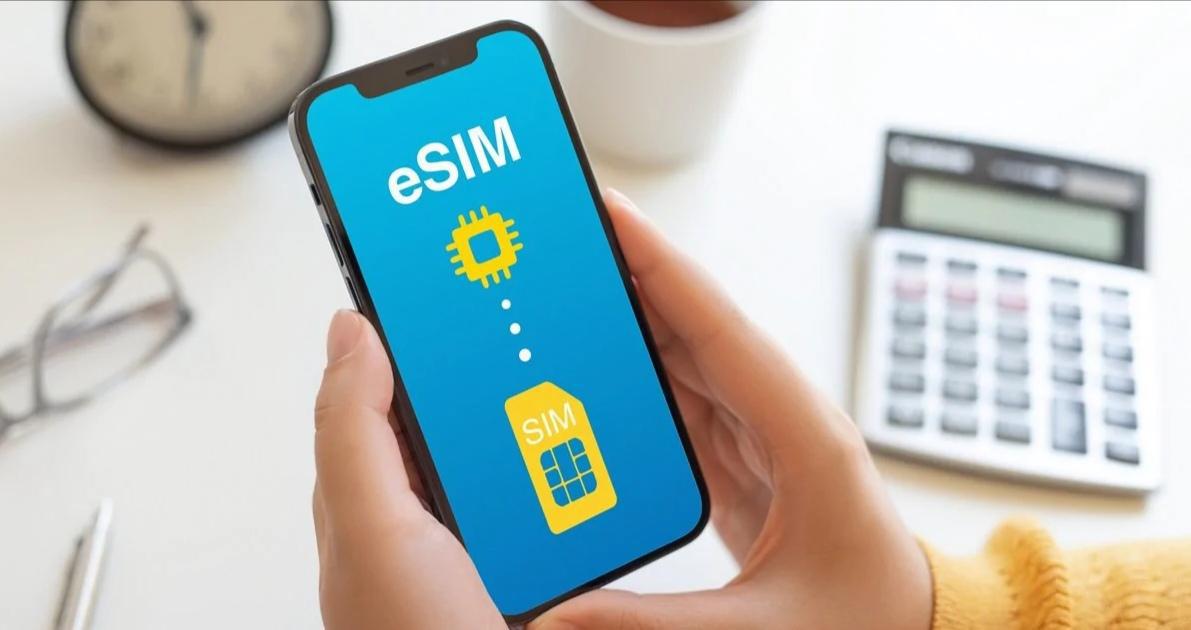
Alongside virtual numbers, the rise of the eSIM has been one of the more practical evolutions in mobile communication. An eSIM is a programmable SIM card embedded in the device—no tiny plastic card needed. You activate it by scanning a QR code or downloading a profile, and within minutes the phone gains a new line or data plan.
This shift has major implications for tech workers. Remote engineers traveling between regions can switch networks instantly. Startup teams can equip staff with dedicated work lines without buying extra phones. Security-sensitive companies can separate personal and business identities without physical SIM swaps.
It’s around this point in the conversation where names like eSIM Plus start appearing, simply because they’re known for fast, straightforward activation and broad compatibility—useful traits when you need a line right now, not after a carrier appointment.
Why These Tools Are Becoming Standard in Tech
The reasons tech professionals and companies adopt virtual numbers and eSIMs are practical, not trendy. The more distributed and software-driven our work becomes, the more it makes sense to keep communication digital and flexible.
1. Identity Separation Without Extra Devices
A virtual number lets you keep work communication independent from personal life without carrying two phones. Add an eSIM profile, and your device can host multiple lines at once—each with its own identity, purpose, and region.
This is especially useful for:
- developers testing apps across multiple accounts
- DevOps and security engineers needing separate MFA channels
- product teams running user-testing profiles
- support teams handling customer calls without revealing personal numbers
2. Regional Testing and Localization
A surprising number of tech tasks still rely on phone-based validation. App stores, payment systems, advertising dashboards, and messaging tools all use phone verification. If your team works with global products, you often need numbers from multiple regions.
Virtual numbers provide exactly that: U.S., EU, UK, or Asia-based phone identities available instantly. Combined with eSIM data plans for specific regions, they allow realistic testing without boarding a plane.
3. Better Security Through Compartmentalization
In tech, a phone number can be a critical vulnerability. SIM-swap attacks target people whose public-facing or widely-shared number is tied to sensitive logins. By keeping MFA codes on a dedicated virtual number or secondary eSIM line, you dramatically reduce exposure.
It’s not paranoia—it’s good practice.
4. Clean Infrastructure for Remote Work
Companies with teams scattered across time zones often rely on virtual numbers to create standardized communication systems. You can assign numbers to employees or departments without dealing with local carriers or office hardware.
Add eSIM support, and these employees can stay connected even if their physical SIM doesn’t work in the region they’re traveling through.
How to Get a Virtual Phone Number (Quick and Non-Technical)
Setting up a virtual number is straightforward, even for people who aren’t telecom-savvy.
- Choose the country and type of number (SMS, voice, or both).
- Sign up through the provider’s app or site.
- Activate the number and link it to the device or platform you prefer.
Some services allow multiple users to share a number, which is useful for small teams managing support lines or project-specific channels.
How to Get an eSIM
eSIM activation is also simple:
- Select a provider and plan (data or full mobile line).
- Scan the activation QR code.
- Confirm installation in your phone’s settings.
Within minutes, the device is ready to use the new network—no plastic card, no retail store, no downtime.
Well-Known Providers for Virtual Numbers and eSIMs
Here’s a neutral, informational list of widely used providers. These aren’t endorsements—just names that frequently appear in tech circles.
- eSIM Plus – Known among frequent travelers and remote professionals for its straightforward setup and broad coverage.
2. Airalo – Offers regional data plans commonly used by digital nomads and traveling engineers.
3. Nomad – Another eSIM service known for stable connectivity and country-specific plans.
4. Hushed – A virtual number app popular for temporary or secondary lines.
5. Twilio – Often used by developers for integrating virtual numbers into apps, services, or verification flows.
6. Google Voice – A lightweight option for those in supported regions needing a simple cloud-based number.
Each serves a different role depending on whether you need developer-grade tools, personal identity separation, or multi-region capabilities.
Why Virtual Numbers Often Outperform Regular SIM Numbers
From a technical standpoint, virtual numbers aren’t “just another way to get a line.” They offer advantages that traditional SIMs simply can’t match:
- Device independence: accessible from any connected device
- Cloud backups: you don’t lose the number if your phone dies
- Simple scaling: add or revoke numbers without paperwork
- Global availability: choose regions instantly
- Privacy: keep personal details out of professional systems
- Cost efficiency: no extra hardware or carrier lines
In a tech environment where mobility and security matter, these benefits add up quickly.
When a Tech Professional Should Consider Using Them
You’ll benefit from virtual numbers and eSIMs if you:
- manage multiple test accounts
- travel frequently for work
- work in cybersecurity or DevOps
- run or test region-locked apps
- separate personal and professional identities
- handle customer or client communication
- collaborate with international teams
If your workflow involves digital tools, distributed teams, or multi-layer authentication, these technologies make day-to-day operations smoother and safer.
Final Thoughts
The shift toward eSIMs and virtual numbers isn’t a niche movement—it’s a practical evolution in how tech workers manage identity, communication, and security. These tools give people the ability to create flexible digital identities, operate across borders, and maintain clean separation between personal and work life.
In a field where mobility, security, and adaptability define success, virtual numbers and eSIMs aren’t just convenient—they’re becoming foundational parts of the modern tech toolkit.