
Atelier Ryza Secret Trilogy Review (PS5) – The Atelier series is one that has somewhat enjoyed the blessing of current trends and favourable conditions to become a bit of a cult-classic in the RPG space. It’s ridden the crest of the cozy game wave to become a modest success for the team at Gust, with them still maintaining an impressive clip of releasing games to market on a near yearly basis.
We saw the release of Atelier Yumia just earlier this year, and this collection of games marks the return of the alchemist who arguably sent the series into orbit on the PS4. Ryza is an iconic character for many, and this trilogy of modest remasters do a good job at polishing those formative experiences to as much of a gleam as they can be, with some small but meaningful improvements along the way.
But make no mistake, these are still the same games that they were at launch. If you weren’t sweet on the steady pace and smaller focus for an RPG, these remasters won’t turn you around. But they weren’t ever trying to do that, at all.
Atelier Ryza Secret Trilogy Review (PS5) – Returning to Comfy Roots
Stirring the Pot
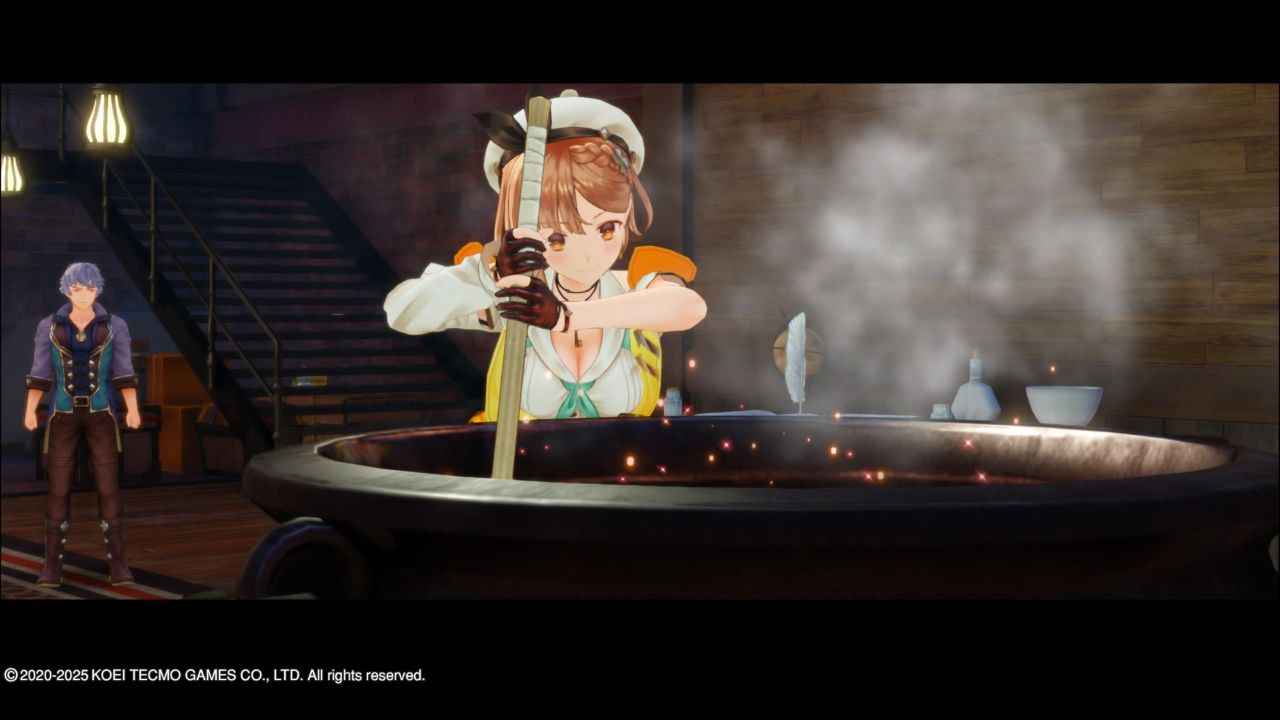
Atelier has always been a series that has blended the tenets of so-called “cozy” games and more traditional RPGs. Each game has you controlling a character as they navigate relatively modest threats in relatively modest scenarios. In Atelier Ryza’s case, we follow the story of Ryza. Across the trilogy, she goes from modest island life, to a bustling capital city and beyond.
The scope of the trilogy is broad, and is the first full trilogy of games in the series so far. Each game tends to be totally isolated from the others, and so this collection highlights the extent to which Ryza was important in establishing a strong fanbase for the long-running series. Not dissimilar to Yakuza 0 being a watershed moment for the series in the West, Atelier Ryza was the same for the greater Atelier series.
This review is more focused at looking at the broader strokes of the Secret Trilogy, rather than drilling down into each title individually, (despite being given a pretty solid runway to play these games, they’re three full-size RPGs with a litany of additions and improvements, I could be here all day), but you can certainly observe the games improving over time. We have individual reviews of Atelier Ryza, Atelier Ryza 2, and Atelier Ryza 3 available to peruse here, and I think those general sentiments still ring true now.
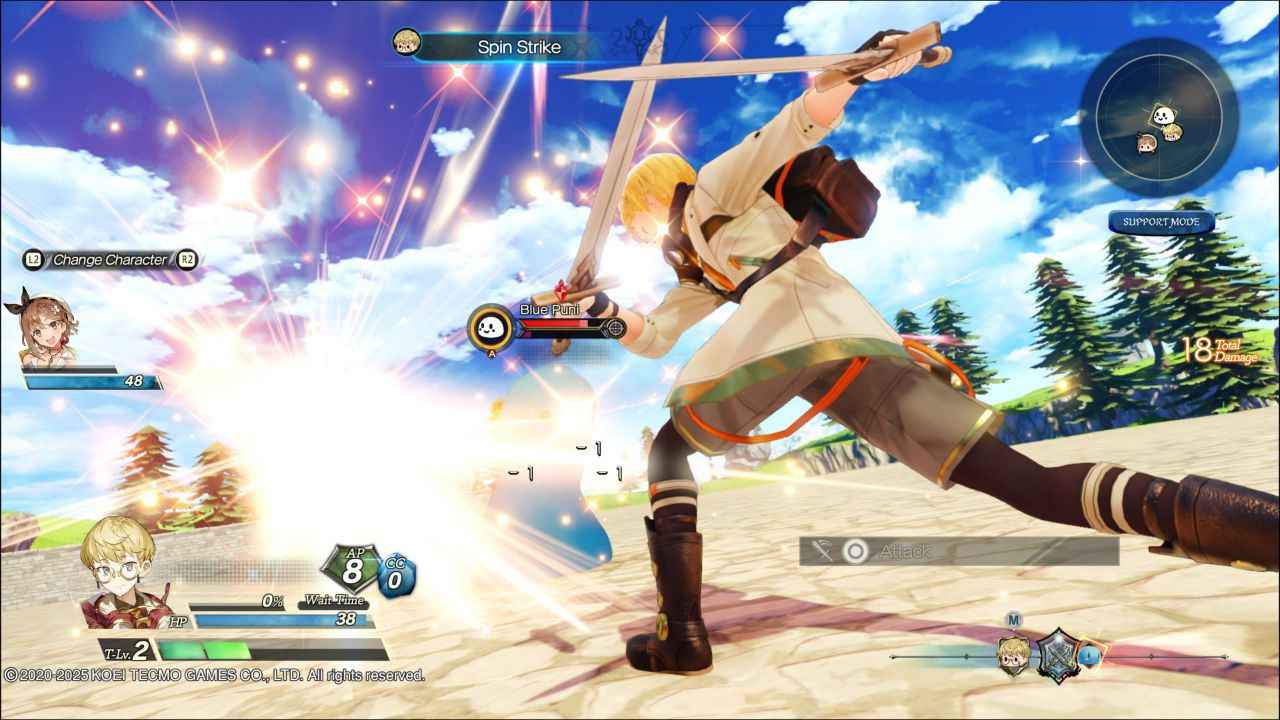
All three games are light, solid RPGs that elevate the experience of Atelier to a plateau that appeals to an incredibly broad audience. Combat is fun, and engaging without being too challenging. You aren’t going to be pushed to your limits, but I think that’s perfectly fine. Atelier might not be the hardest RPG under the sun, but it most definitely is engaging.
Quality of Life, Through And Through
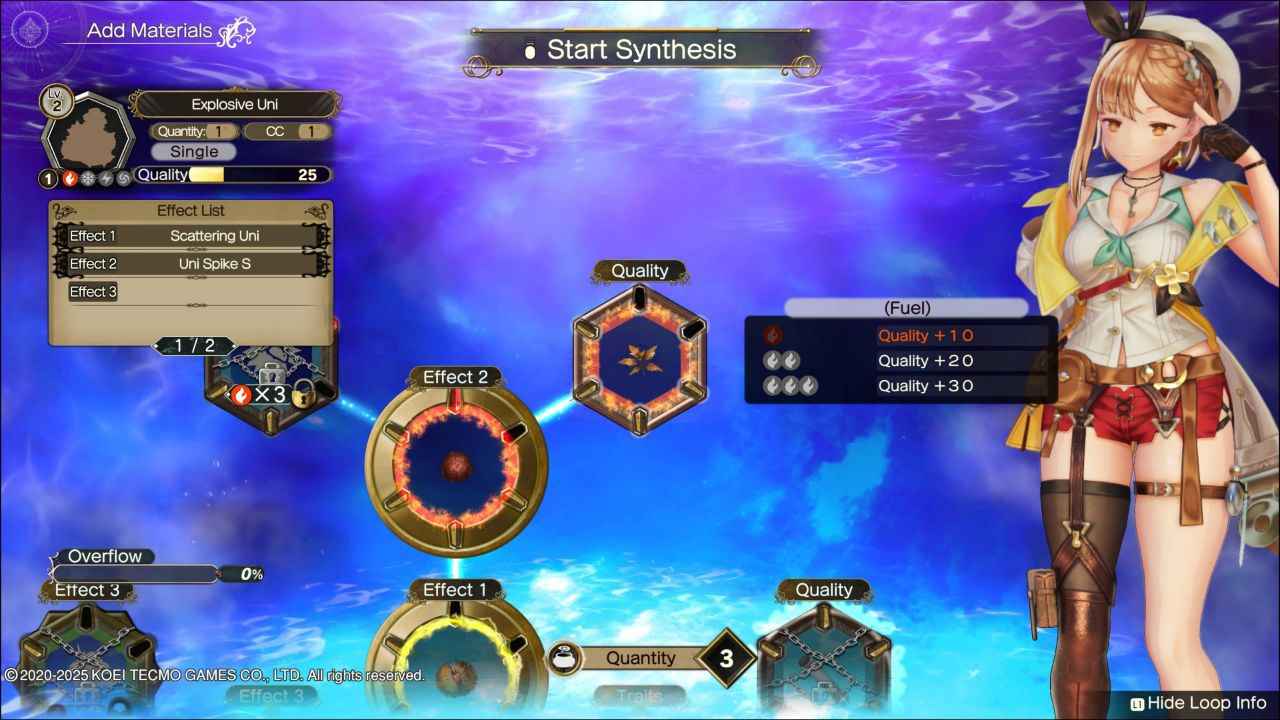
One of the most apparent improvements throughout all three games is a focus on quality-of-life features that help to smooth out the experience. Arguably, Atelier Ryza still stands as one of the most beginner friendly games in the franchise, and that is doubly true now.
Subtle additions like including storage capacity in the minute-to-minute UI, generally increasing storage capacity, and allowing for companions to auto-gather materials for you do some heavy lifting in smoothing down some potential pain points. Particularly storage related issues; Atelier is a series all about gathering ingredients in order to make stronger items, so not being hit by the bottleneck of needing to deposit items is a massive bonus.
These are all things that you would think would be in the base game, and do a lot of the heavy lifting when making these the definitive ways to experience this trilogy of games.
Atelier has always smartly taken the item management of other RPGs and made it into a core facet of its gameplay loop. Compared to other RPGs, you’re encouraged to smartly gather materials to ensure that you can succeed in battles, outside of your own skill in combat.
Adding More Meat To The Stew
The additions in this collection go beyond just quality-of-life, and also focus on threading a bit more of a connective tissue between all three games. Characters from one game return in bonus scenarios in the sequel, there are small bridging narratives that have been added in order to tighten the connection.
While I still say that you could probably jump into any one of these games alone and have a good time, there’s a compelling argument to take the plunge and embark on the long journey from Atelier Ryza one all the way to three.
Unfortunately, the review period didn’t quite give me the time to play all of the new content in this collection, but based purely on my experience with the content in the original Atelier Ryza and a smattering of the content in Atelier Ryza 2, this content fills out the endgame challenge and is a neat addition to the story, without feeling overly essential for the main plot.
In some ways, they reminded me of the DLC episodes from Final Fantasy 15 – all of which were neat if non-essential additions that fleshed out the main plot. You’ll be in this ride for Ryza, but the addition of these perspectives is a neat one that is a good reason to come back.
A Remaster, And That’s All It Needs To Be
For all of the substantive improvements from the original releases, especially in the case of Ryza 1 and Ryza 2, you can still definitely tell that these games were sequential releases. Ryza 1 very much feels like the first game in the trilogy, maintaining some of the cruft that was polished off, especially in Ryza 3.
This isn’t necessarily a negative; each game maintains a semblance of identity in the broader collection. But I would be lying if I said I didn’t wish these remasters went a bit further to put them on an even playing field. Ryza 3 still definitively feels like the most ‘polished’ of the three.
There’s a noteworthy jump between all three games (as you would expect, given the extended span of their original release cycle), and that’s something to bear in mind if you pick up this collection. For all of their improvements and sanding down, these are still the games in largely their original form.
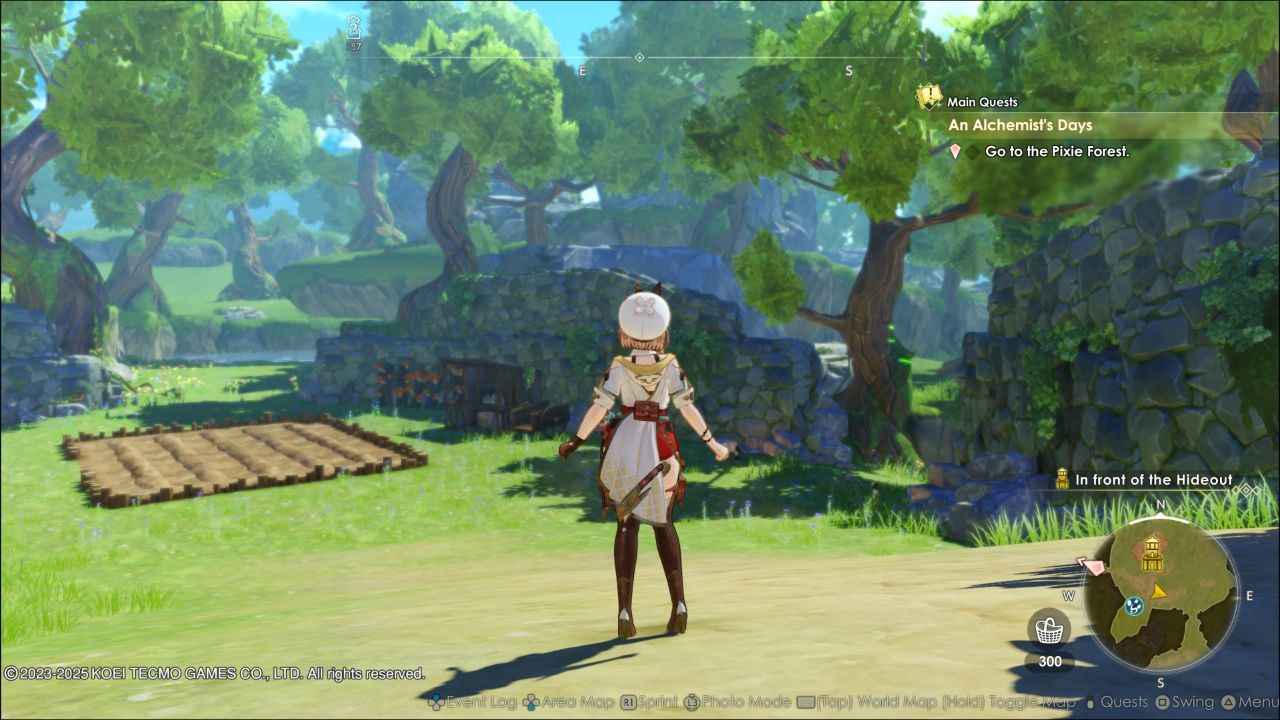
The upgrades to visuals are nominal, and again are subtle enough that you might not notice. Atelier has always had a brilliant style, and that remains true here. Certain models have been updated for the better, and it makes for a more visually consistent experience across the board.
Definitive? Yeah. But not reinventing the wheel.