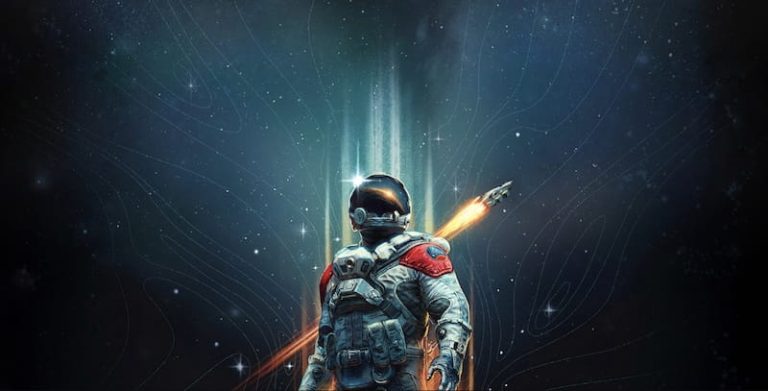
Starfield PS5 Review – There’s a long list of games that started as exclusives on the Xbox platform that eventually made it to PlayStation consoles. One of the first big games that made the jump was BioShock way back on the PS3. PlayStation players generally needed to wait a year or more before they could play these games on their platform. However, unlike BioShock, Starfield doesn’t benefit from being an engaging experience.
Starfield Review (PS5) – A Great Big Universe With A Lot of Nothing
A Space Game With A Lot of Space
You gain control of a character that takes a job on a mining expedition. While on this expedition, you come across a material that knocks you out and presents you with a vision of lights and sounds you can’t explain. Shortly after that, someone finds you who has been looking for the material that you discovered and asks you to bring it back to the group called Constellation, which works to explore the yet-unknown parts of space.
You go all over space looking for more materials like it, all the while finding tons of side quests to do. Unfortunately, much of the experience is shooting a couple of bad guys followed by either talking to someone or reading something that recounts what actually happened. Honestly, that’s about it. Thankfully at least, the gunplay is engaging enough and works as it should: point and shoot.
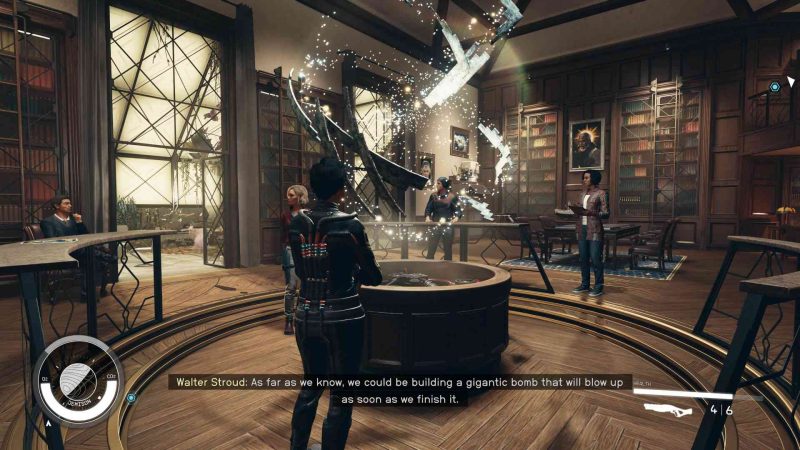
When it comes to the narrative, you almost always end up arriving well after something interesting has happened and you only see the aftermath and not the action. In a way, it often feels like the protagonist of the game is someone else and you just happen to come through when the exciting parts are over.
Lack of Enthusiasm
Oddly enough, progression itself ends up leaving you feeling the same way. Naturally, as you level up, you place points in different skills, like negotiation or lockpicking or increased oxygen or even how much weight you can carry. As with any game, you start with low values and slowly increase those values as you level up. However, many of the limitations you face hit you the hardest early on.
For instance, within the first five hours I came across more than a dozen locked apparatus that I could not lockpick because my skill wasn’t high enough. In order to reach the necessary level to pick those specific locks, I need to be at least level 20. In the first five hours, I had only reached level 10. This meant that all of those things I came across are still locked, and if I want to unlock them, I have to not only keep track of those locked things but also go back and unlock them when I finally get the skill level to do so.
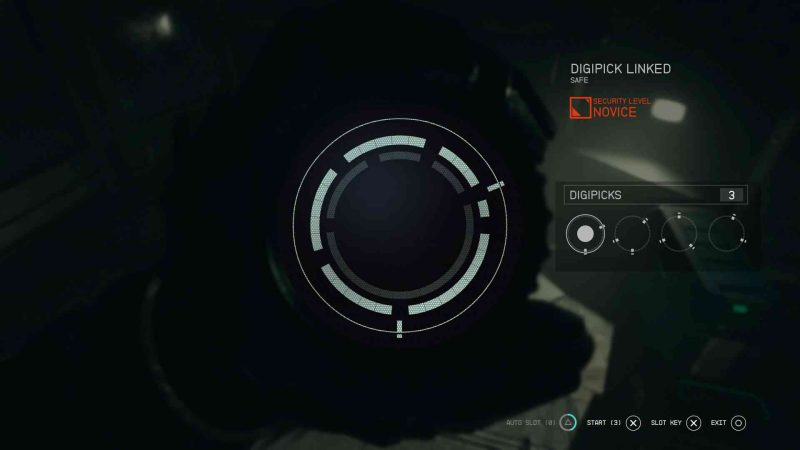
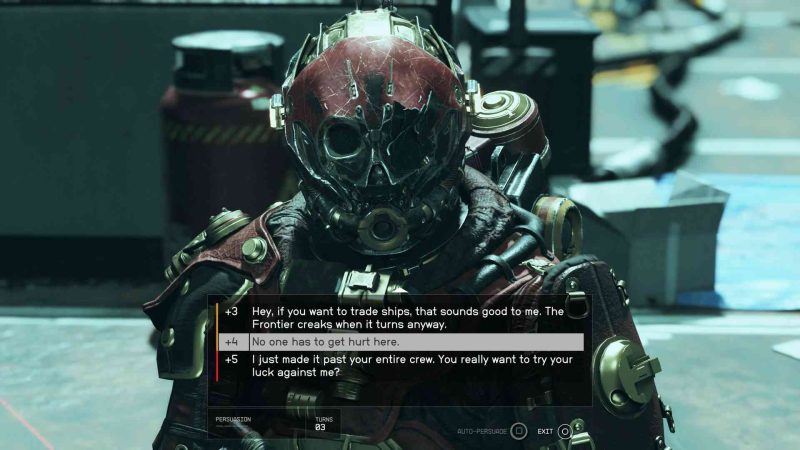
The same thing goes for negotiation. By the time you have a good level of skill in negotiating, you’ve already failed a ton of negotiations that would have made your life easier. Would opening these locked apparatus or passing missed negotiations change much of anything for me? Likely not, so keeping track of what I missed is a waste of time. Soon, that mentality grows into the collective experience that is Starfield: don’t try too hard.
It’s Not All Bad
You see many scenarios in Starfield that you have seen in other RPGs-in fact in other Bethesda games-that all just fall flat. Yes, by the end of the game you can unlock everything; and yes, by the end of the game you can carry a massive amount of inventory with you at all times. By that point, though, you’ve invested in the fact that there’s nothing to interact with, even in the few events where there are things to actually interact with.
For me, I ended up just playing the game based on my experiences: I can’t interact much with the world, so I’ll stop trying. I also went long stints of time not skilling up anything for the same reason. What’s the point of managing my skills if they don’t really do what I want them to do?
One area where the PS5 version of Starfield shines is how the game implements the Touchpad. Pressing the left side changes between first and third person, while pressing the right side opens the map. You can also swipe in all four directions to open up different important menus, like your Inventory, Skills page, or Missions page. Using this allows you to avoid shuffling through menus to reach the menu you actually want.
The Base PS5 Experience
In terms of performance, there’s very little about Starfield that gets in the way of you doing what the game wants you to do. While on base PS5, frame rate fluctuates a lot of the time but it never dips past 30 FPS on Performance Mode.
I had a couple instances where the game crashed, but these instances only took place when I was running around on the surface of a planet and not when I was in smaller maps. Oddly enough, these crashes also occurred after defeating all of the enemies in an open area and while I tried to move to the next area.
Still, Starfield is marred by some lengthy load times. In fact, most of the loading screens stay up for upwards of 20 seconds or more. This time naturally grows longer if the area you’re loading into is bigger. Again, I tested the game on a base PS5, so your mileage may be better on the PS5 Pro, especially with the optimizations that come with the game for said hardware. With that said, if you plan to buy a PS5 Pro, Starfield is not the reason to do so.
Overcomplicated, Yet Simple
The final folly I want to bring up is how the game asks you to navigate the universe. Sometimes, the game overcomplicates your progression, asking you to execute several different actions just to interact with one thing. The best example of this is when you dock your ship at a new place. You need to first scan the target, then lock onto the target, and then hold Square to dock. You do not just approach the docking location and interact with it. The same goes for traveling to new solar systems. You first need to scan, then aim your ship, and then configure your ship’s power to facilitate high-speed travel.
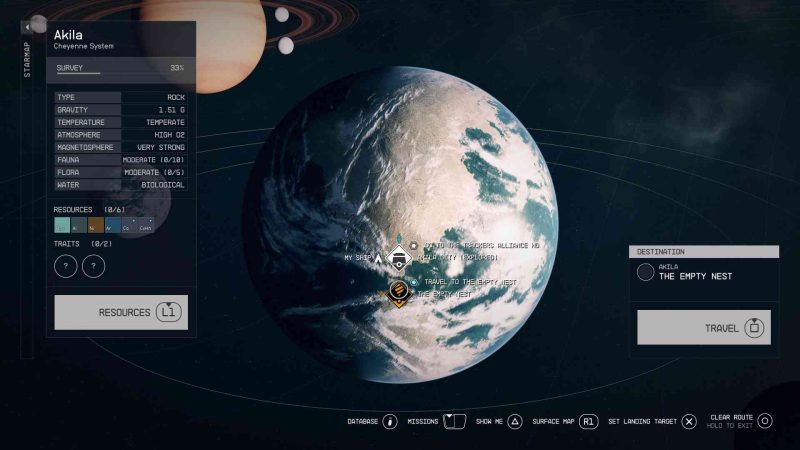
On paper, that sounds cool as all hell. However, this quickly gets countered by the fact that once you reach a new place that you can just fast travel between locations on different planets. You don’t even need to interact with your ship at all in most situations. In a way, fast traveling from place to place makes traveling much easier from the player’s perspective. This does help those who wish to complete everything by getting it done much faster. However, starting with an experience that demands specific and complicated inputs just to end up where you can bypass it practically every other time after that feels disingenuous to the game as a whole.
Making complicated systems work has happened in many games before Starfield. The big one I have in mind is Red Dead Redemption 2, where you have to micromanage almost everything. However, Red Dead Redemption 2 asks you to commit to the systems and make them your own, pushing you even further into the world that the team created. With Starfield, they place busywork in front of you right away and then tell you after you’re done with that busywork that that work wasn’t important at all. Yes, you can still do all of these things manually if you so choose; however, this then leads back to the issue that there is little to nothing for you to care about in the game. To boot, by the time you care about something, like managing power to your engines, the game makes that certain something unimportant.
One Hard Sell
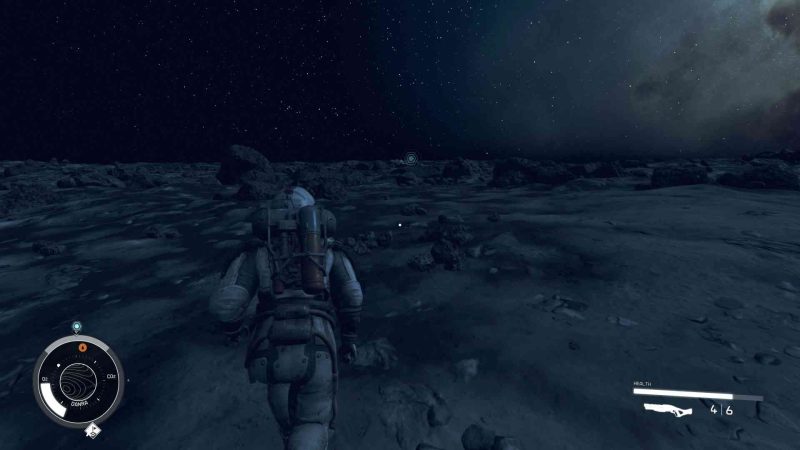
Starfield plays as you would expect an RPG to play in the sense that the inputs do what you want them to do. Performance also works well enough, particularly for a Bethesda game. Odds are, however, that you won’t want to play for very long anyway. In this game, you get nothing but residual information about the world around you and humdrum experiences for you to play. Even in Dark Souls, you receive a challenge that faces you head on and you get rewards for surmounting that challenge. Whether it’s the plot or the gameplay, Starfield puts any interest you may have on the back burner for something much more mundane to take its place.
Mistakes made by games like Starfield are much harder to forgive because there’s little to no fun to be had in it despite its issues. So, you pretty much only see the frustrating aspects of the game. There is a game here, but just don’t expect it to be appealing, especially with a $60 price tag.
Review code kindly provided by publisher.