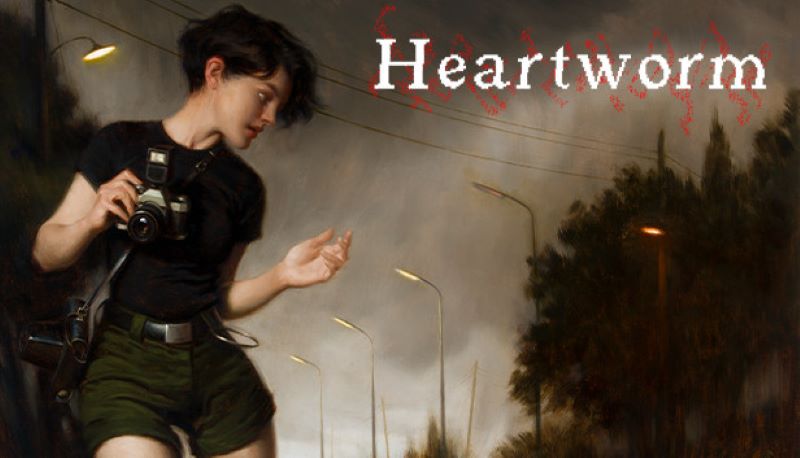
Heartworm PS5 Review. I’ve always enjoyed a retro-inspired game. Especially those inspired by the fixed camera angles and pixelated environments and characters of PlayStation One survival horror games. Though many have come out since, not many have really captured what made those games so great. Unfortunately, Heartworm is one of those games. Though it’s not a bad game by any stretch, it’s also not a survival or horror game.
Heartworm PS5 Review
A Story Of Loss And Grief
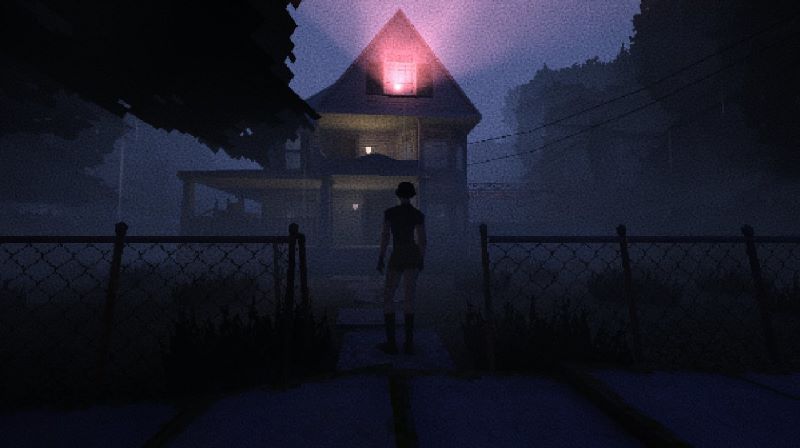
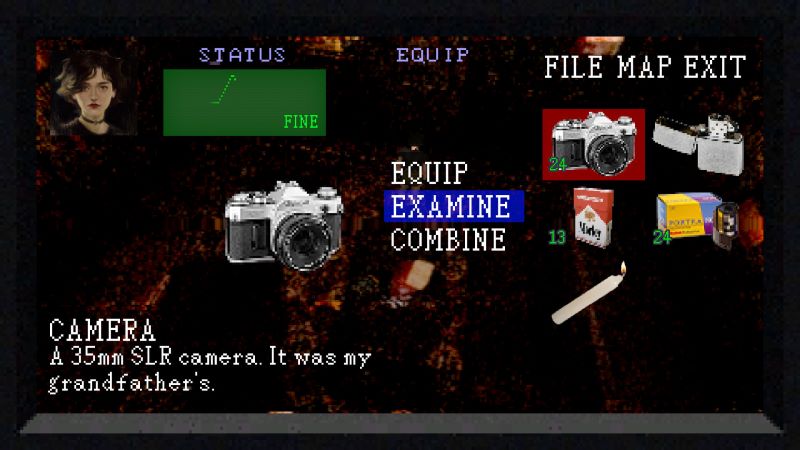
Samantha is reeling from the death of her grandfather and is having a hard time coping. She finds refuge in an online message board about hauntings and speaking with the dead. Unfortunately, she falls deep into a rabbit hole and decides to visit a haunted house to try to communicate with her grandfather. This only makes sense if you’ve already read the inventory files. I didn’t stumble on these files until much later in the game and learned what the heck was going on in the story.
When she arrives at the haunted house, things get weird. After solving a few puzzles, she’s transported to a massive Archive building after being chased by something called the Type Keeper, where she traverses parts of her childhood and everything that happened there.
The game’s story isn’t the best and leaves a lot of questions, especially at the end. There are multiple endings to unlock, and none of them really make any sense.
The story is essentially about loss and tragedy, but nothing in the game points you to that conclusion. Most of the story comes from the files and diary entries you find. Though Sam talks about her memories as she enters new locations or key rooms and buildings, she provides little context.
Plenty To Explore In A Mostly Empty World
Exploration in these types of games is always a pleasure, as you find key items you hold on to until you need them. Health drops and ammo (camera film).
Sadly, in Heartworm, exploration doesn’t really lead to anything. Plenty of locations you can run to, and corners and rooms to explore, are completely barren. They are just empty rooms, with no files or items to collect. There were even times when I would run down an entire alleyway only to find nothing but an enemy there that served no purpose.
Locations are varied enough, and because you are playing through memories, there are a lot. Some of them are large and take a while to explore; others are quick and short. Sadly, the latter sections are among the best in the game, and I wanted to explore them more.
The larger areas are an entire neighborhood, a park, and a clock tower. The shorter ones were composed of a Hospital and a High School. It’s a shame they didn’t put more effort into the creepier locations.
Good Puzzle Hampered By Constant Backtracking
Puzzles are the biggest highlight of Heartworm and are a fantastic throwback to when games didn’t always hold your hand, and puzzles required you to remember and maybe even write stuff down. There aren’t many, which is a shame, but the ones that are there were always fun to figure out.
With that said, Heartworm has a lot of backtracking. So much backtracking that even getting ahead of something is hard. Puzzles you know the solution to, you can’t solve until the game activates them as puzzles through story progression. There were times when I would find a locked door, run around and find the key. You open the door only to find another locked door inside, but you find another key.
Then you have to leave again to find another door somewhere else to unlock, then find the key to the room inside the room you unlocked earlier—a lot of back and forth.
Lack Of Enemy Variety And Simple Combat
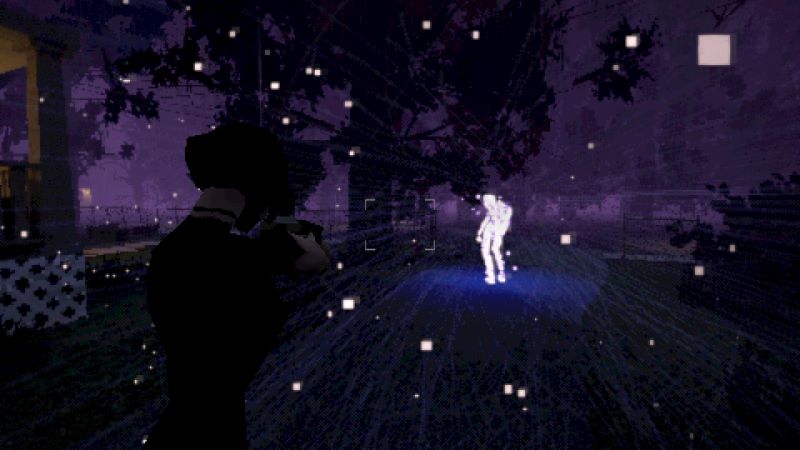
Combat is simple; you don’t get any weapons. Instead, you are armed with a camera, and taking pictures of the monsters you encounter is just enough to defeat them. They don’t always stay dead, and some return after a while to the same area. There isn’t much enemy variety, and I wish there were some explanation for what you’re facing and why.
Most of the enemies you face are static silhouettes of people, like a human-shaped static screen on your TV. They are slow and easy to dispatch, but can slow you down with a pulse attack, wolves with plants growing from their skin, and Statues that block your path and create tremors that knock you down.
None of them pose any real danger and are easy to dispose of, since they get stunned the moment you take their picture, and you can easily spam shots to defeat them.
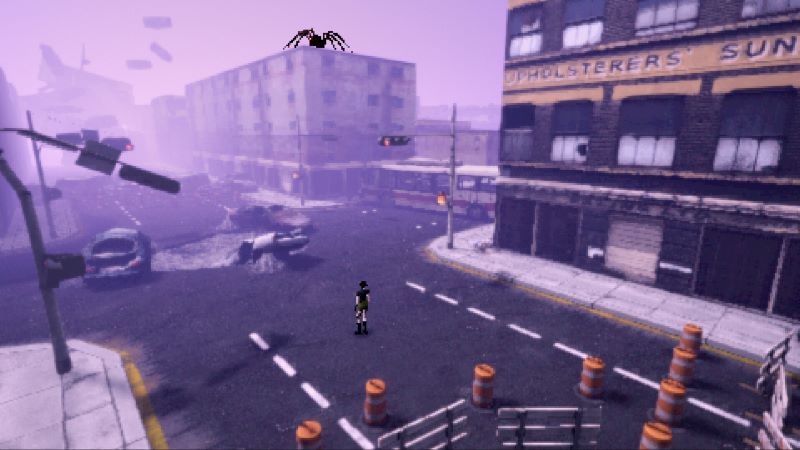
There are three major bosses, and none of them are particularly fun to fight. The first one is a giant spider, while the other is a giant deer. I don’t know why Sam has to fight them because it’s never mentioned that she suffers from arachnophobia, for example. The boss fights are also fairly easy and don’t pose much of a challenge.
A Visual Throwback And An Excellent Soundtrack
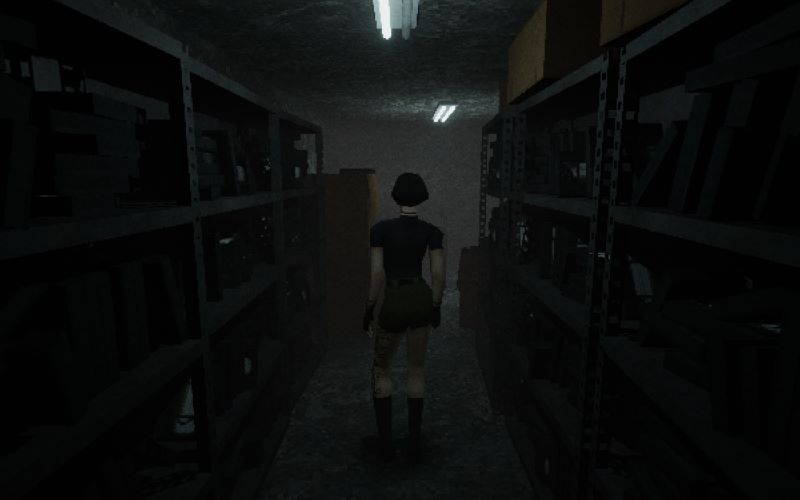
Visually, the game looks great as a retro title; the pixelated world doesn’t offer much in the way of details, but it does its job recreating a specific era in gaming. The monster designs also leave a lot to be desired, with nothing really standing out. The varied locations help keep things fresh.
Meanwhile, Heartworm’s sound design is its biggest strength; the soundtrack blends Resident Evil and Silent Hill and is at times quite creepy. The sounds the monsters make when they appear and move around are also well done, especially the static monsters, which let out a howling static sound as they approach you. Sam’s voice actress also does a stellar job carrying the game’s entire narrative on her back.
Heartworm isn’t a bad game by any stretch; it just doesn’t do a lot to help it stand out. The game’s visuals are a great throwback, and its soundtrack and sound design are top-notch. It’s a shame the rest doesn’t hold up.
Heartworm is now available on PlayStation 4, PlayStation 5, PC, Xbox Series S/X, and Xbox One.
Review code kindly provided by PR.